
Choose a season for the visit you want
Tsitsikamma has a temperate climate with rain through the year. December to February is generally the warmer travel period in the regional climate comparison, while June to August is cooler. Those differences help with clothing and trip style. They do not create a guaranteed dry season for every coastal path or a promise that the sea will allow a particular kayak route.
Choose around your intended activity. The tour comparison separates coastal visits, village forest experiences and multi-day Garden Route journeys. A person planning the Otter Trail needs a different timetable from someone booking a short canopy activity. The weather guide provides the regional monthly values and their limits, so you can use them as background rather than a forecast for your chosen departure.
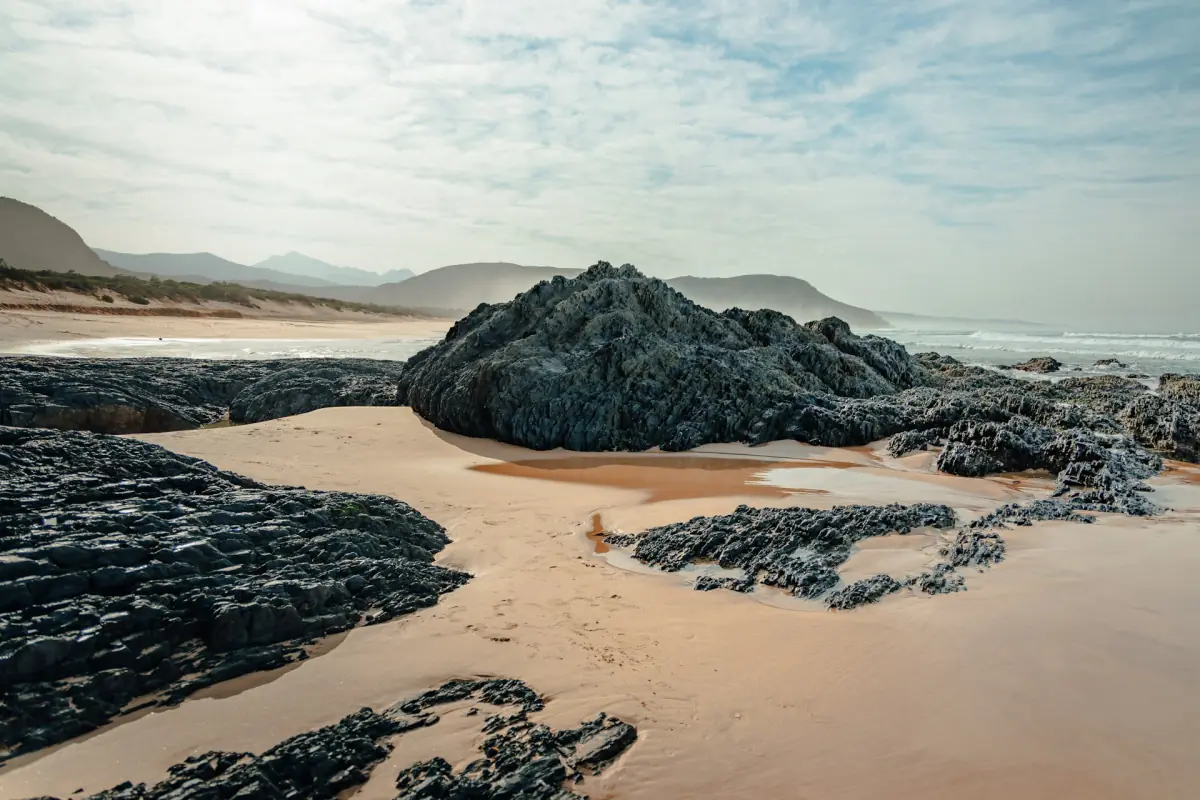
A guided forest and river visit
Confirm the available walking programme and park entry charges for your season.
Hand-picked tours, booked through GetYourGuide. Prices are indicative starting prices in US dollars (as of October 2026). Tap a tour for live availability and the current price in your currency.

Compare Tsitsikamma outings
Choose a coastal visit, forest activity or longer Garden Route journey, checking the starting point and included services.
Summer warmth and cooler-season planning
The detailed climate reference is George station WO 68828, using the 1991 to 2020 normal period. It is a Garden Route regional comparison outside the Tsitsikamma park areas, not a Storms River Mouth or Nature’s Valley station. Use it to understand the warmer and cooler parts of the year, without treating its rainfall amounts as precise values for the forest slopes where you will walk.
For the warmer December-to-February period, organise the activity and required clothing together rather than assuming that warmth means settled water conditions. During the cooler June-to-August period, bring suitable layers as well as rain protection. A historic monthly mean is neither the temperature on your day nor a measure of the wind or sea state. Keep the road journey and your actual meeting time in the plan, especially when a trip includes several separate activity stops.
Choose around the operating conditions
Kayak and lilo arrangements depend on weather, river and sea conditions. Light rain does not automatically cancel the operator’s activity, but dangerous conditions can change or cancel it. A river entry may replace the sea passage when the sea is unsuitable. Read the kayak planning guide, bring the stated clothing and confirm the actual route. A warm month is not a sea-entry guarantee.
The forest canopy operator provides rain clothing, while Bloukrans operates year-round with possible interruption in storms or thunderstorms. These are different operating decisions at different sites. For village forests, the published access periods are 07:00 to 18:00 from September to April and 08:00 to 17:00 from May to August. Those are Plaatbos, Goesa and Big Tree times, not permission to visit the mouth bridge at the same hours. Match the exact place to its instructions.
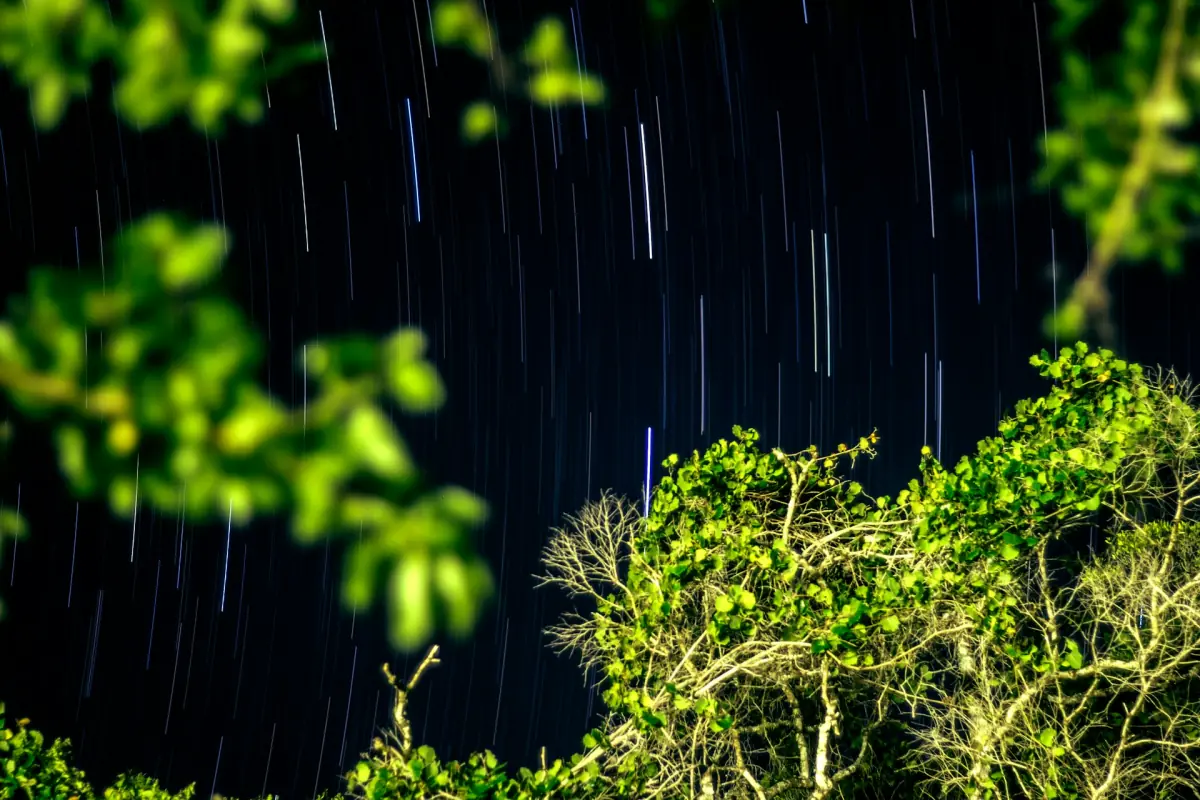
Reservations, bridge status and alternatives
The Otter Trail requires a specific reservation, medical paperwork and a tide plan. Secure those before arranging a trip around an idealised month. Low tide at the fourth-day Bloukrans crossing is a date-specific question. Seasonal rainfall means do not answer it, and a guided day-walk booking does not secure an overnight trail place.
Check the current bridge arrangements before making the crossing the fixed centre of the day. Earlier renovation schedules are not proof of current completion. For a longer regional visit, choose an overnight base that fits the activity locations and retain an alternative programme if the chosen outdoor activity changes. Confirm booking-change terms directly. Neither a season description nor a different attraction nearby establishes an automatic refund, replacement activity or included transfer between them.
Questions before your visit
Is there a completely dry season?
The park describes rainfall through the year. Regional monthly averages vary, but no month guarantees a dry visit. Bring suitable rain protection and plan around the conditions for your activity rather than interpreting a lower average as a dry-day promise.
Does summer guarantee the kayak sea passage?
No. The operator chooses the route according to conditions on the actual day. A river entry can be used when the sea is unsuitable, and dangerous conditions can change or cancel an activity. Seasonal warmth does not settle that decision.
Do village forest hours apply to the bridge?
No. The published seasonal access periods refer to Plaatbos, Goesa and Big Tree. The mouth trail and suspension bridges are separate places with their own current arrangements. Use the instructions for the exact site you intend to enter.
Can I plan the Otter crossing from a monthly rain chart?
No. The multi-day trail needs a specific reservation and date-specific low-tide planning. Its crossing instructions take precedence over any seasonal travel advice. A regional climate chart establishes neither the water level nor permission to cross on your date.